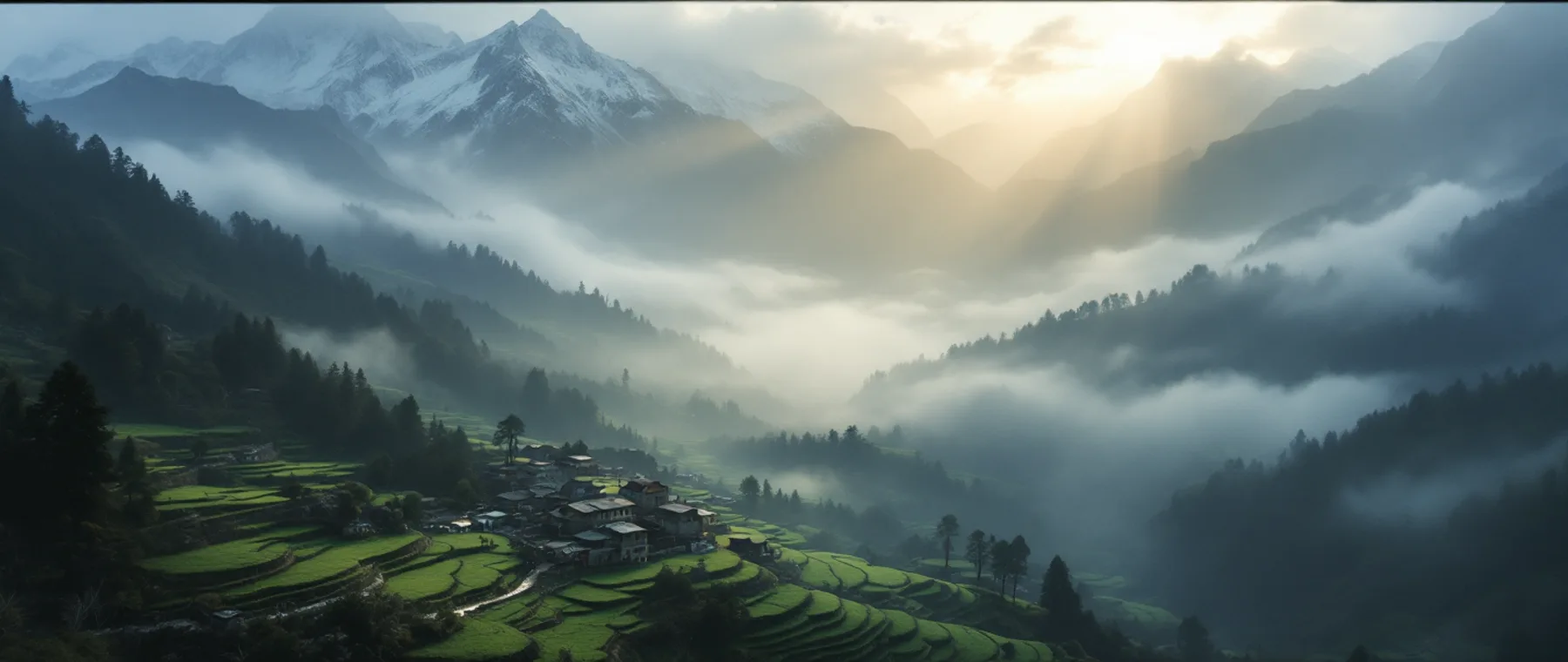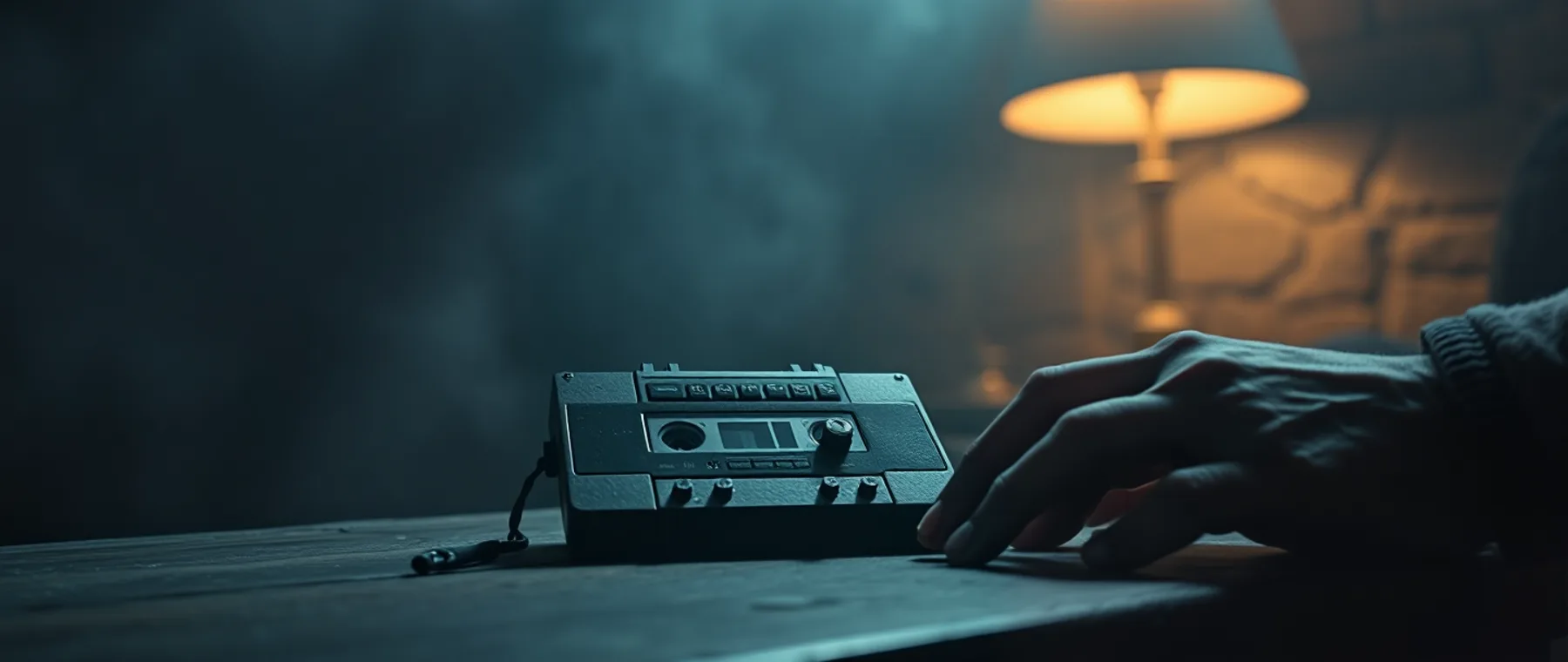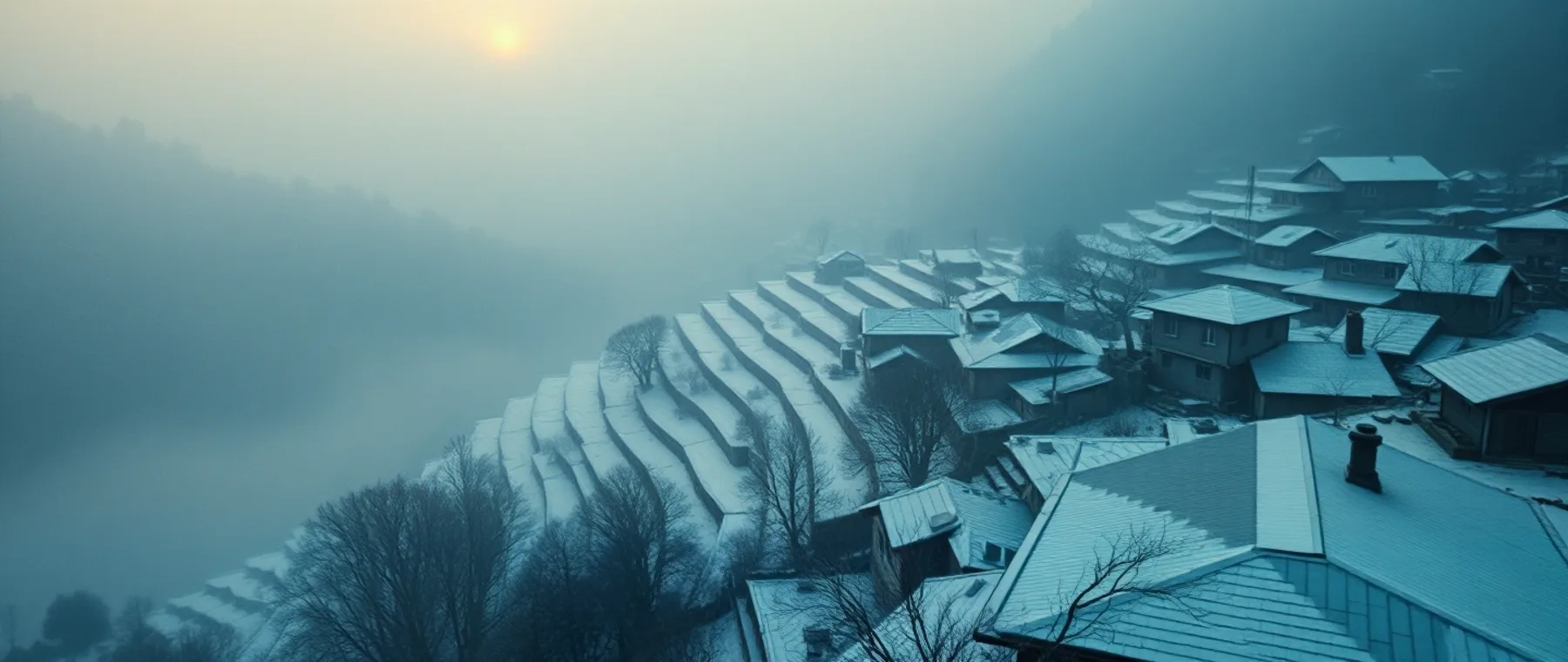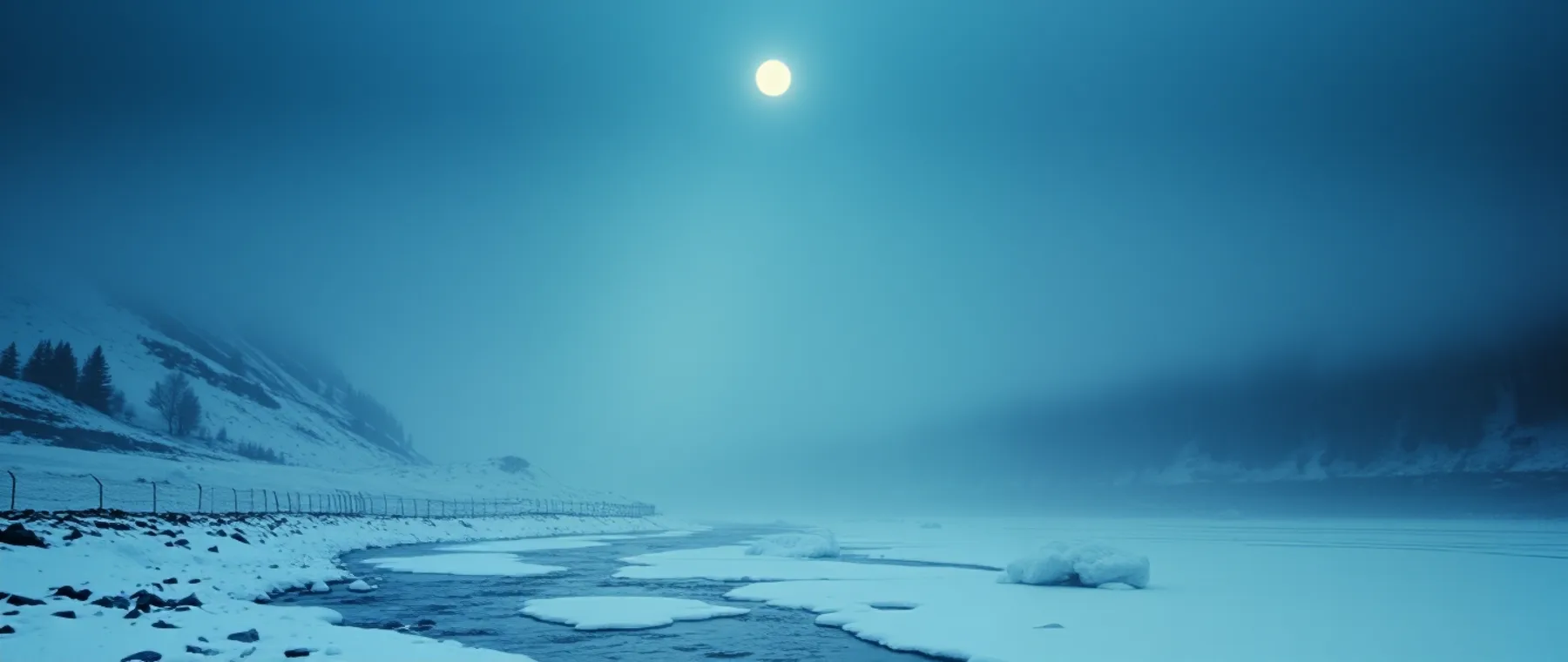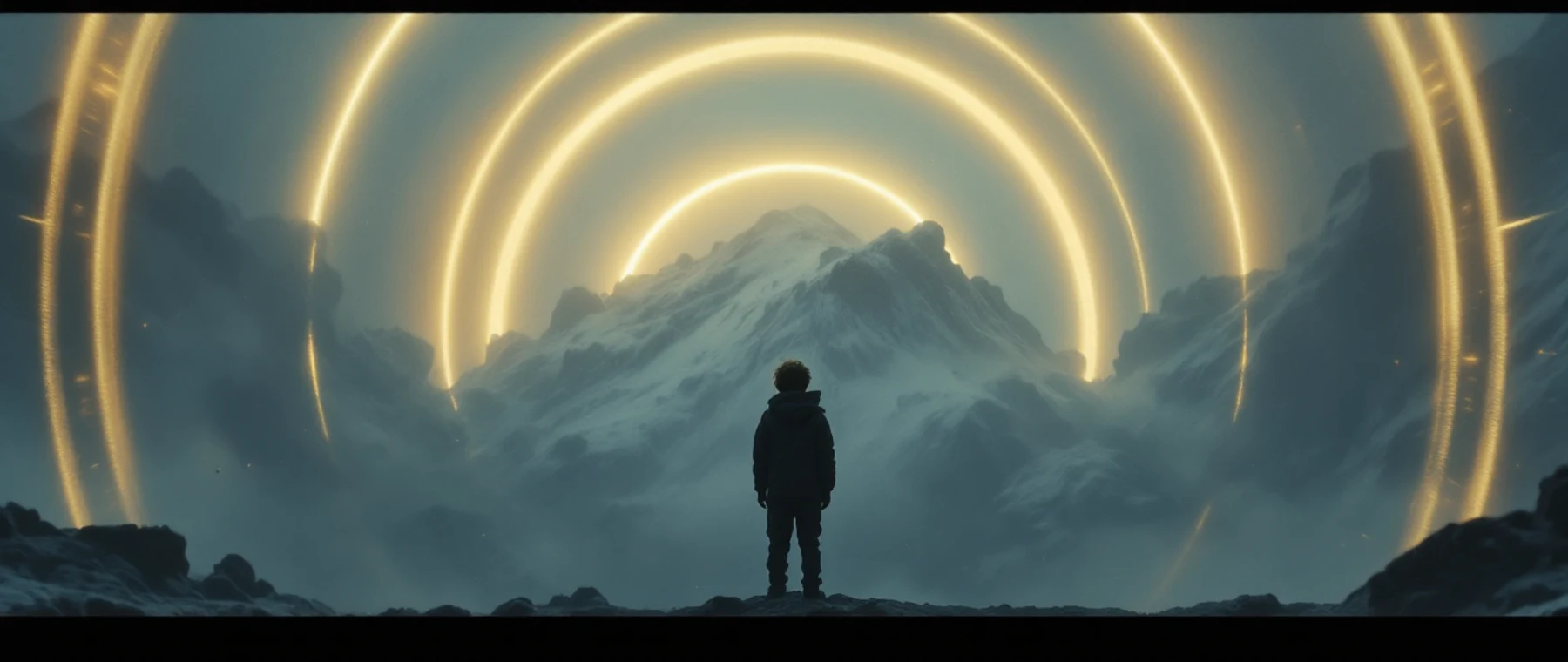
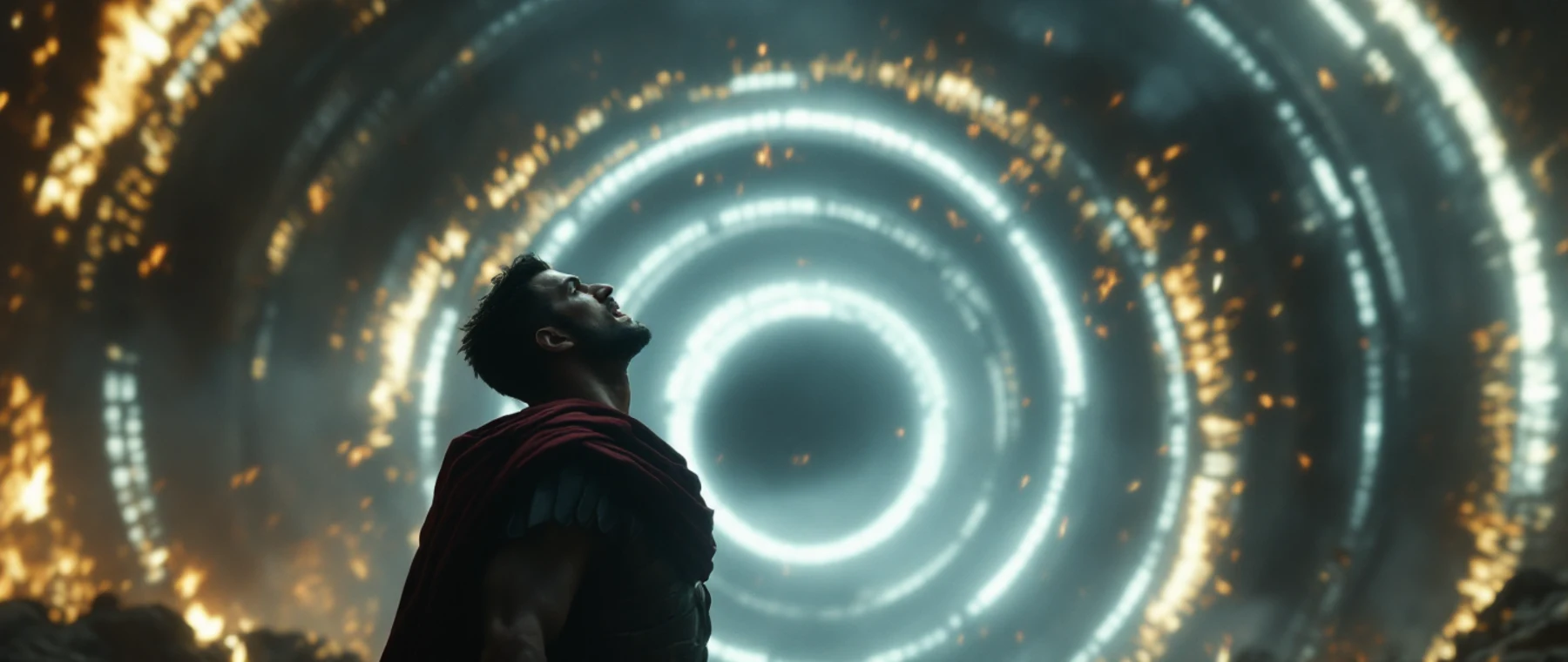
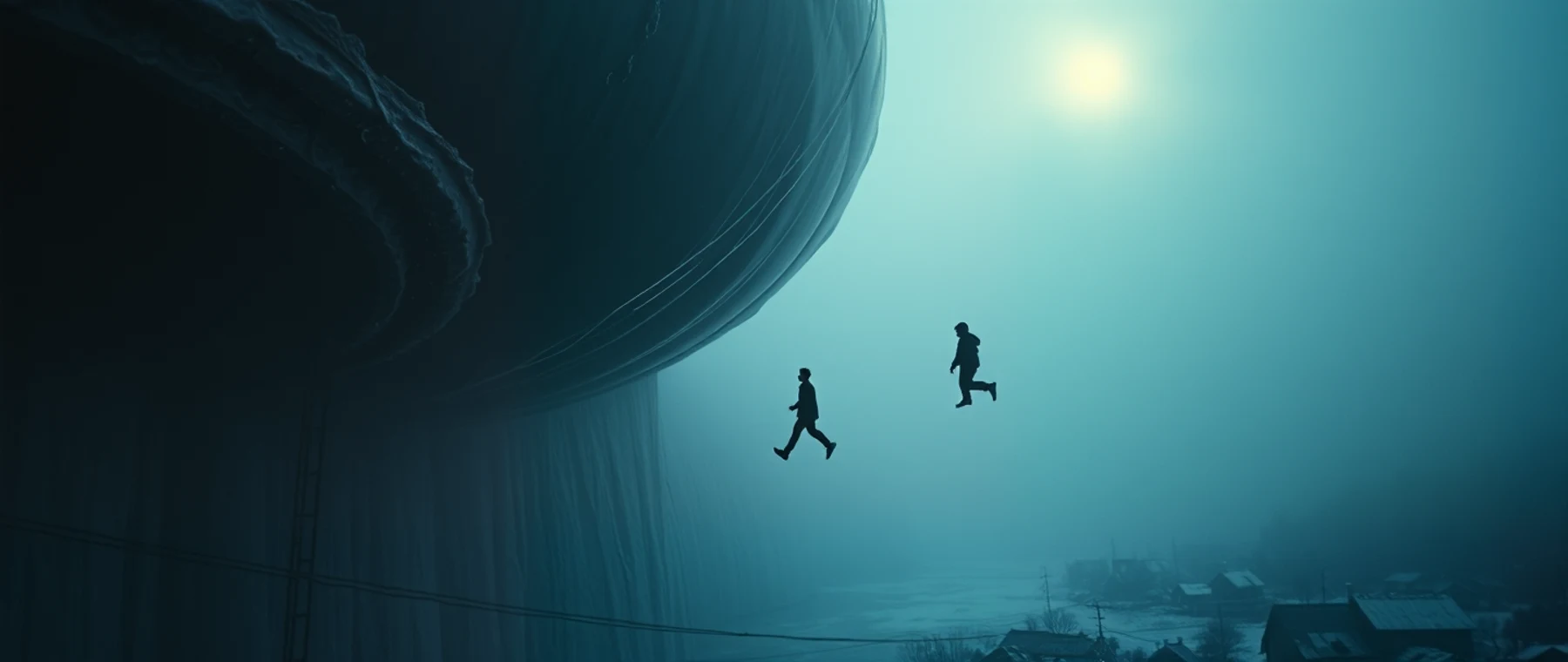
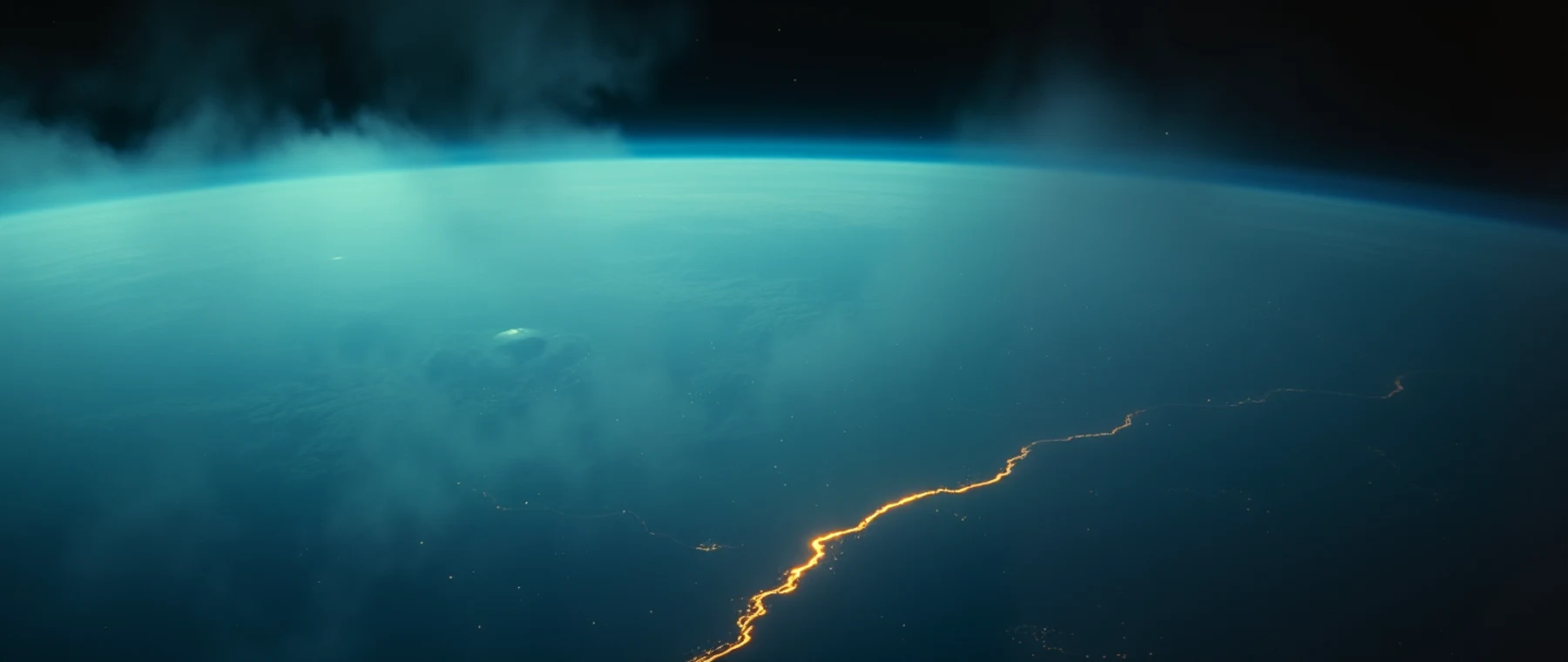
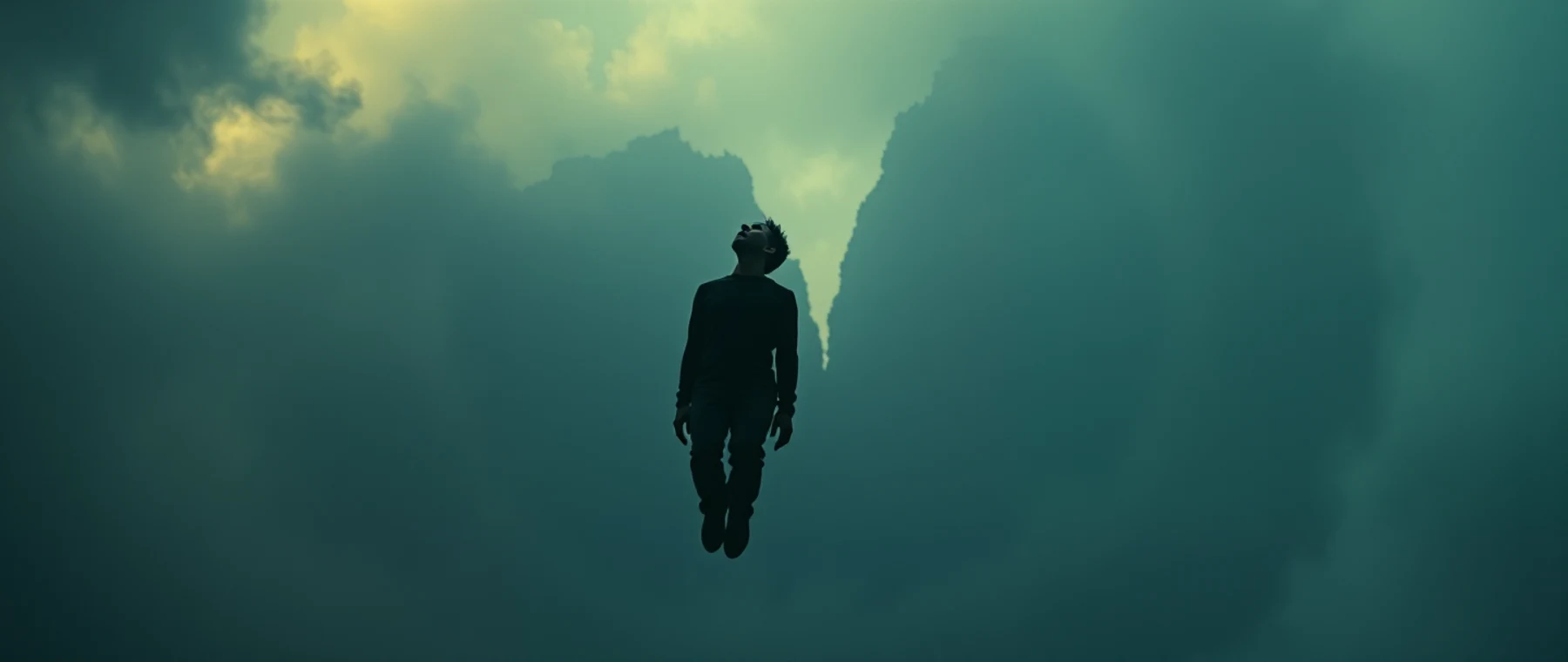
EP01 · SHOT 022 · MADE ON THE ENGINE
How it works today
Nothing here is a demo video or a mockup. This is the loop, running now, on requests from people watching the channel.
Comment the character, the world or the scene you want to see. Anyone can ask. It costs nothing.
It goes through our pipeline — stills, motion, grade, sound — the same one that made the frames above.
Uploaded to the channel. Free to watch, free to share. No paywall, ever.
Every request and every result sharpens it. What the community asks for is what it gets good at.
The vision
A film needs a crew, a budget and a year. That's the only reason most stories never get made — not because they weren't worth telling, but because the door was shut and the key cost money.
We're building the thing that opens it: an engine you describe a film to, that works out what each scene needs and shoots it — the look, the light, the cut, the sound. Not a clip generator. A film that holds from the first frame to the last.
Then the person with the story and no money makes it anyway. That is the entire point of this, and everything else on this page is just how we get there.
You comment a scene. We run it through the pipeline by hand and put the result on the channel.
You describe the film, the engine does the work, and we're only there if something breaks.
A story and an afternoon is the whole budget. The door stays open behind you.
The hard part
Plenty of tools make a beautiful five seconds. Almost none survive five minutes. Three things break every time — and they are the three things we're building against.
Type a prompt, get a shot. Nothing decides what comes next, or why. A film is structure before it is imagery, and structure is exactly what these tools don't have.
Holding one character across twenty shots is still painful hand-work. The moment a face changes the audience stops believing, and everything after it is wasted.
Credits burn on takes you throw away, so people stop experimenting — right when experimenting is the job. Iteration has to be free or the work gets worse.
What we're actually building
We are not training a frontier model from scratch. Anyone claiming that on a budget like ours is selling something. Here is the real split — and the half we own is the half that turns clips into a film.
The structure that turns a story into a shot list. The worker that generates, retries and keeps takes straight. The finishing chain — conform, grade, encode. The sound signature. Written once, and it survives every model that comes and goes.
Frontier image and video models, paid per call and swappable by design. When a better one ships we move to it in a day. No vendor gets to hold the work hostage.
Anyone can rent the same models we do. Almost nobody writes the structure first. That gap is the whole business.
Where this goes
No dates promised. This is the order things have to happen in, and we'll say publicly when each one lands.
Finish the series and put it on YouTube. If the films aren't good then nothing after this matters, so it comes first.
One million subscribers. The channel starts earning, and a share of that goes back to the community that built the number.
The engine opens to everyone. You bring a story, it makes the film. This is the step the whole thing is for.
Studios and brands produce on the same engine. That revenue funds the free tier, so the door stays open behind you.
Why PTX
Film is heavy. Big files, heavy compute, constant delivery. On a normal cloud that bill kills a project like this before it starts. PTX is built for exactly this kind of real-world workload — and PTX Network isn't just where we host, they're partnering with us on it.
The utility tier. Renders stored and delivered across the node network instead of one expensive cloud.
Sub-second blocks and predictable fees. Payments that don't cost more than the work itself.
The direction tier. The people who back the network get a say in what gets built next.
The trade
A partnership only holds if both sides need it. This one does.
Storage, delivery and settlement at a cost we can survive — plus a community telling us what to make, so we never build into the dark.
Not a roadmap slide — a working application running on the network, in public. And people arrive through films they enjoy, not a whitepaper they won't read.
Take action
The engine gets finished if the channel grows. That's the whole mechanism — attention buys the compute, the compute finishes the engine, the engine opens to everyone. There's nothing to buy and nothing to sign. Five things, all free.
Watch the films all the way through. Watch time is what YouTube actually counts.
One tap. The cheapest signal you can send, and it moves the algorithm.
This is the one that counts toward the goal. Hit the bell too.
Tell us the scene you want next. Comments are how you commission work here.
Send one film to one person who'd like it. That's how the number actually moves.
0 / 1,000,000
subscribers — the one number we're chasing
Once the channel earns, a share goes back to the community that built the number. You did the watching, the sharing and the asking — you're part of why it earned anything at all.
We'll publish exactly how that share works before there's a single rupee to split. We'd rather commit to the terms while they still cost us something.
Plainly: this page describes a creative venture and how it intends to share what it earns. It is not investment advice, not an offer, and not a claim about the value of any token. No payment is promised to anyone, and nothing here depends on buying anything. The studio uses existing third-party AI models under their normal terms while Uniblok's own engine is in development — we'd rather say that than imply otherwise.